

Migration as a strategic asset for economic growth in origin countries
Evidence use in policymaking in Kenya, Kerala (India) and Sri Lanka.
About the project
International migration is increasingly recognised for its economic contributions through remittances, labour mobility, and diaspora investment and expertise. Yet strong global evidence on these benefits does not always translate into sustained policy action.
This project investigates how and under what conditions migration is recognised and leveraged as a driver of economic growth in origin countries, and how evidence on migration’s economic value is used, ignored, contested, or reinterpreted in policymaking across Kenya, Kerala (India), and Sri Lanka. Specifically, it examines international remittance policy, labour migration for development, and diaspora engagement policies.
The project explores:
Is evidence on the economic value of migration under-utilised in economic policymaking? Why?
Hypothesis: political and institutional barriers, not a lack of evidence, explain low uptake.When migration-related economic evidence informs policy, how is it used?
Hypothesis: Evidence is used instrumentally or strategically, rather than conceptually or routinely.How do emerging factors such as AI and gender perspectives affect evidence use in migration policymaking?
Hypothesis: AI tools and gendered perspectives increasingly shape how evidence is produced, legitimised, and taken up, but remain under-explored in origin-country contexts.
New open access journal article
A Structured Literature Review of Remittances, Migration and Economic Policymaking in Countries of Origin: Evidence from Kenya, Kerala (India) and Sri Lanka

Why this project matters
Across Sub-Saharan Africa and South Asia, migration-related economic flows and opportunities are central to national development priorities. At the same time, migration often remains politically sensitive and is frequently shaped by securitised narratives, which can sideline its strategic economic potential.
Despite a robust global evidence base, including the growing prominence of remittances as a major external financial flow in many low- and middle-income countries, policy reform has often been uneven, short-lived, or disconnected from available evidence.
This study addresses that gap by tracing how evidence about migration’s economic contributions enters (or fails to enter) decision-making, and why.
Purpose and policy relevance
The project contributes directly to the Research for Evidence-Informed Policy-Making (RCC) agenda by examining the political and institutional dynamics that shape evidence use in economic policymaking in low- and middle-income settings.
By comparing three distinct contexts, the study will help policymakers, researchers, and practitioners better understand:
What enables credible, timely evidence to influence policy
Where and why evidence gets blocked, reshaped, or selectively mobilised
How emerging forces, especially AI tools and gender perspectives, are changing evidence ecosystems in migration policy
Methodology
The study uses a comparative mixed-methods design, combining qualitative, quantitative, and documentary approaches.
15–20 key informant interviews per country
2–3 focus group discussions per country
Participants include policymakers, researchers, and diaspora stakeholders
Focus: tracing how evidence moves through policy processes and where it changes
Qualitative research
Online diaspora stakeholder survey (approx. 100 respondents across countries)
Focus: perceptions of migration’s economic value and how evidence is used in policy
Quantitative research
Review of:
National development plans and migration strategies
Administrative data and technical reports
Key international sources (e.g., World Bank, ILO, IOM)
Documentary research
Expected contributions
The research will generate actionable insights into:
How and why economic evidence is (and is not) used in origin-country migration policymaking
The institutional and political conditions that enable credible evidence to influence decisions
The evolving roles of gender and AI in shaping future evidence ecosystems
Ultimately, the project aims to inform more evidence-driven, inclusive, and forward-looking migration policies that support economic development.
Expected completion: Early 2027
Project Team Members
The project team brings together migration researchers based in Switzerland, India and Kenya, combining decades of experience across migration research, data and statistics, public policy and global communications. This FCDO-funded project was one of 16 projects selected through a competitive global funding round from a field of over 350 submissions.
-
![]()
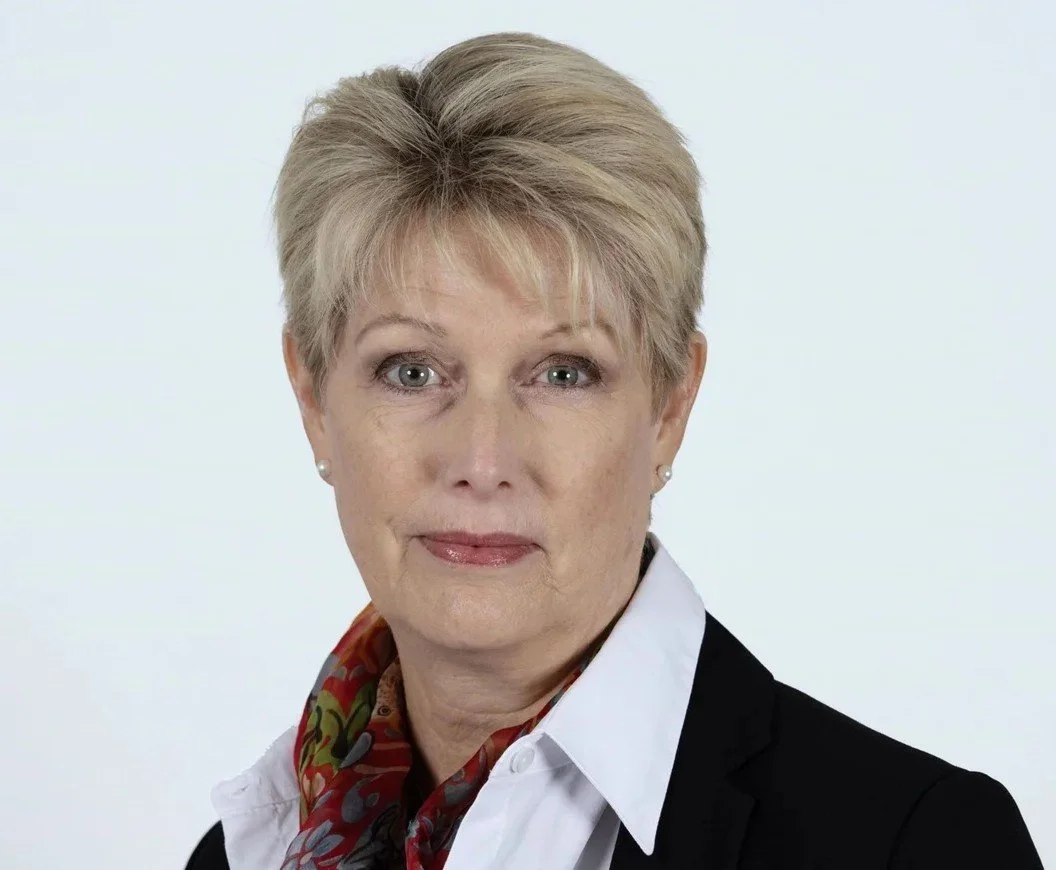
Dr Marie McAuliffe
Principal Investigator; project manager; thematic lead (AI & gender)
Marie is a senior migration research, data and policy specialist with extensive experience across government, international organisations and academia. She is the Director of PoliSync’s Migration Shift Hub, and previously led IOM Research in Geneva (2016-2025) and directed the Australian government’s $6.5 million Irregular Migration Research Program in more than 20 fieldwork locations across Asia, the Middle East, Australia and Europe. As the head of IOM Research, she led the transformation of the World Migration Report series into a leading global reference on migration, led the Gender & Migration Research Policy Action Lab (GenMig), and advised senior political and policy leaders on migration, displacement and digital technologies, including AI in migration systems. -
![]()
Professor Linda Adhiambo Oucho
Principal Investigator; country lead for Kenya
Linda is a leading African migration scholar and policy expert, and Executive Director of the African Migration and Development Policy Centre (AMADPOC). Her work focuses on migration governance, labour mobility, diaspora engagement, and regional integration in Africa, with extensive experience advising governments, the African Union, and international organisations. She has contributed to, and co-edited, flagship migration reports (including the World Migration Report) as well as migration policy frameworks. She is an authoritative voice on African migration, and regularly speaks at high-level events about evidence-based policy on migration and development across the continent. -
![]()
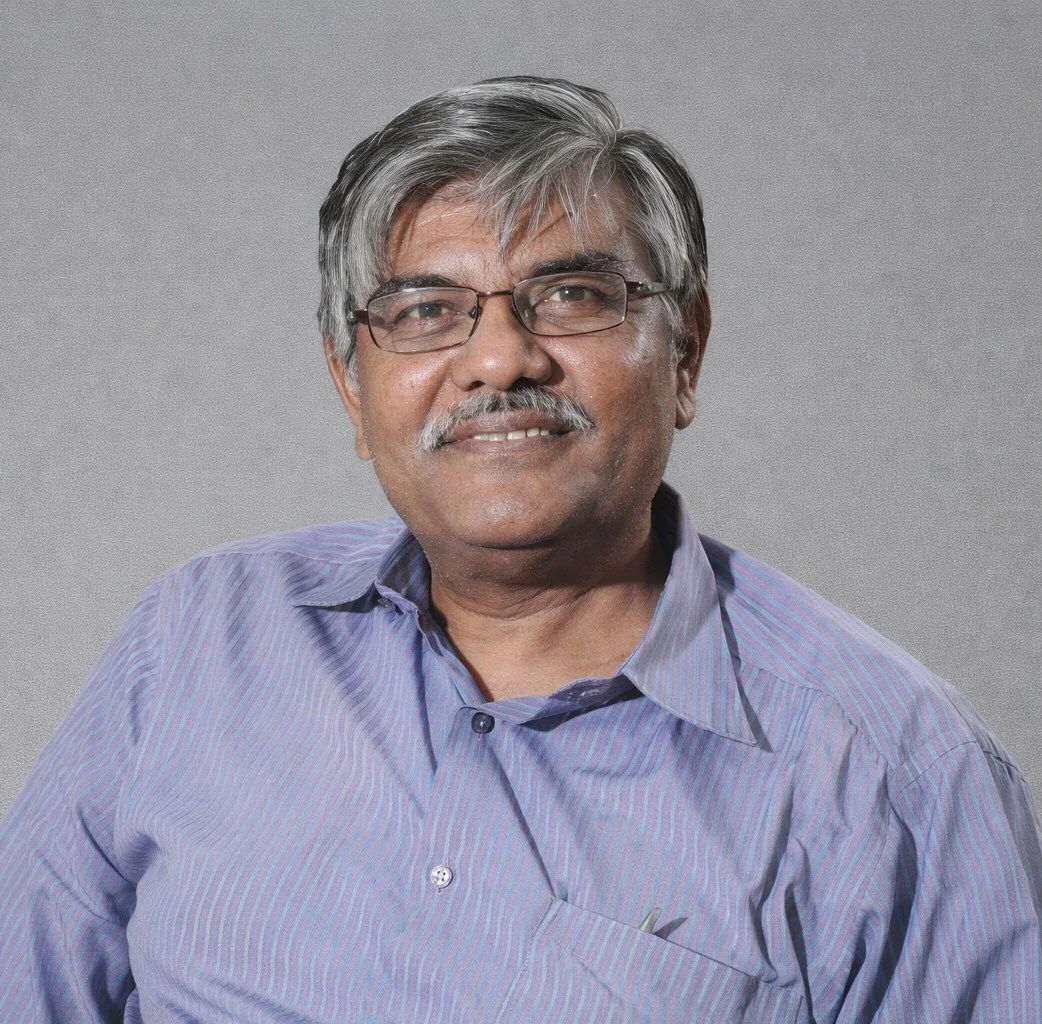
Professor S. Irudaya Rajan
Principal Investigator; country lead for India (Kerala) & Sri Lanka
Rajan is a distinguished economist and demographer specialising in internal and international migration, particularly in South Asia. He chairs the International Institute of Migration and Development (IIMAD), serves as Editor-in-Chief of Migration and Development, and has led major migration surveys, research programmes, and policy advisory initiatives in India and internationally. His work has a strong focus on migration governance, labour migration, ageing societies, remittances, and the social and economic impacts of mobility, with longstanding engagement with both academic and policy communities. -
![]()
Dr Céline Bauloz
Research Coordinator and Senior Policy Analyst, PoliSync
Céline Bauloz is a senior research specialist focused on migration, displacement, gender, global governance and the United Nations. She previously worked as Senior Research Officer / Head of the Research Unit at the International Organization for Migration, Managing Editor of the Refugee Survey Quarterly (Oxford University Press), consultant for the European Union Asylum Agency, as well as (visiting) lecturer and researcher in diverse academic institutions, including the Graduate Institute of International and Development Studies, Harvard Law School, the University of Bocconi and the University of Fribourg.
-
![]()
Ajay Karuvally
Country team for Kerala (India) and Sri Lanka
Ajay is a senior research associate at IIMAD and a doctoral candidate at Utrecht University. He has experience working in large-scale research projects at IIMAD in partnership with state governments, international organisations and other funding agencies. He was previously the research lead for the project implemented by IIMAD on climate change and migration in Odisha supported by the Food and Agriculture Organisation.
-
![]()
Sneha S. Najeeb
Country team for Kerala (India) and Sri Lanka
Sneha S. Najeeb is a Research Associate at IIMAD. Her expertise lies in working on large-scale quantitative and qualitative research projects across India. She has coordinated a nationally representative study across India, overseeing field teams and data quality. She has also contributed to research on women’s political participation and labour migration, including a desk review for IOM Sri Lanka, and has worked with government institutions on policy-oriented research and field monitoring.
-
![]()
Dorothy A. Omboto, Esq.
Kenya Country Team
Ms. Dorothy A. Omboto is an Advocate of the High Court of Kenya and a Migration Governance Specialist with over 14 years of experience in socio-legal research and policy design. Holding an LLM in Migration and Refugee Law, she serves as the Convenor of the Law Society of Kenya’s Cross-Border Practice and Migration Committee and a technical liaison to the National Coordination Mechanism on Migration (NCM). Dorothy is currently a co-Consultant with Professor Linda Adhiambo Oucho on the Mauritius National Diaspora Policy and Action Plan (NDPAP) and a lead trainer at the upcoming East African Migration Academy (EAMA). She recently led the legal and policy analysis on refugees’ right to work in Kenya, and her expertise spans diaspora engagement, labor mobility, and refugee protection frameworks across the East and Horn of Africa.
-
![]()
Rebecca Bailey
Project Administrator, PoliSync
Rebecca Bailey has over 25 years of experience in managing programmes for international organisations such as the World Health Organization and IntraHealth International. Rebecca is proficient in the full cycle of project design, implementation, monitoring, evaluation, research and advocacy. She has created and led project teams in more than 20 countries, in collaboration with key internal and external stakeholders, to develop work plans and budgets, drive and monitor progress, and report on performance while ensuring optimal use of resources. Rebecca holds a Master of Science in Public Health and a Bachelor of Science in Social Sciences and Communications.





Project Advisory Group Members
The Project Advisory Group brings together senior scholars and practitioners with expertise spanning migration, development economics, public policy and international engagement. Members provide independent advice, peer review and strategic guidance to support the project’s analytical quality, policy relevance and dissemination.
-
![]()
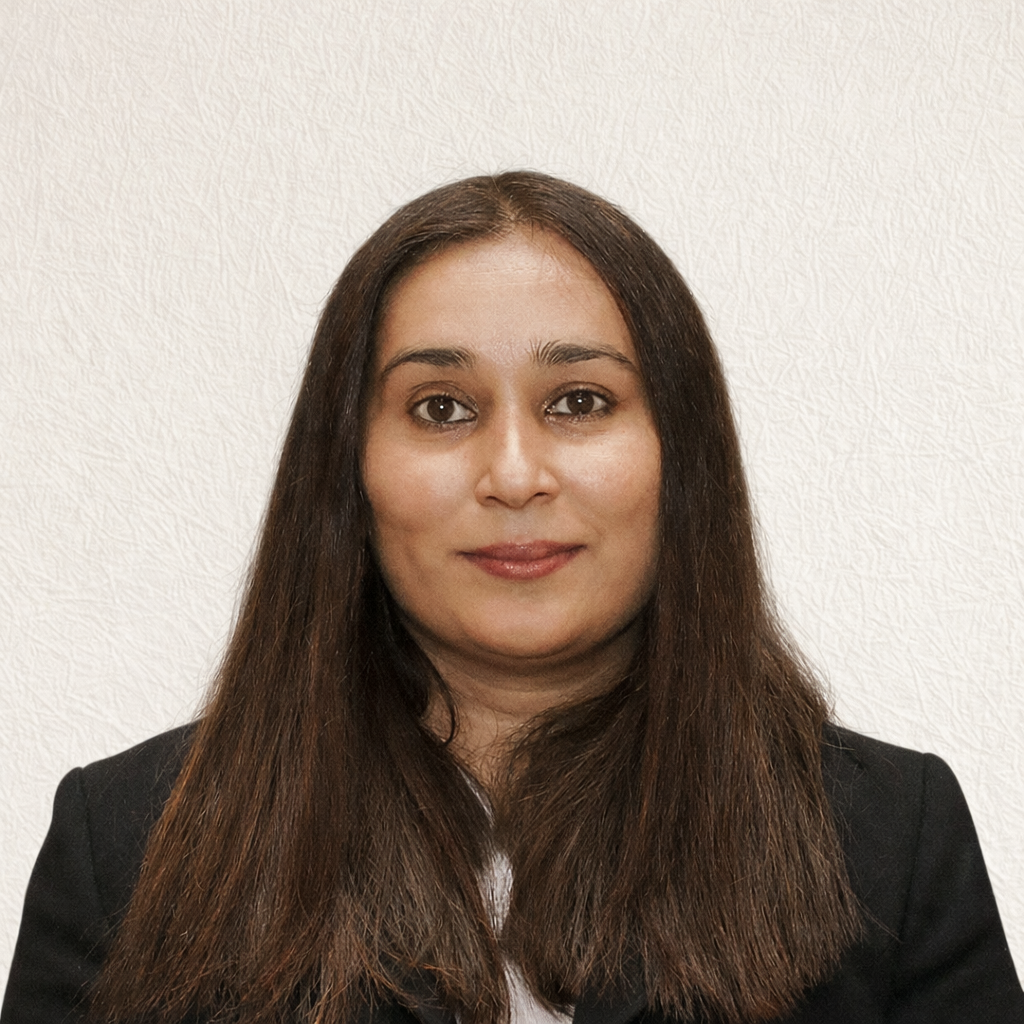
Deepali Fernandes
Deepali Fernandes is a senior economist and migration-development specialist with extensive experience linking labour mobility, remittances and economic policy. Formerly a senior specialist at the International Organization for Migration (IOM), she advised governments across Africa and Asia on integrating migration into development and financial strategies. She now works as a senior consultant to organisations including UNCDF and the AfCFTA Secretariat, supporting finance and trade ministries on remittance and cross-border financial policy.
-
![]()
Ian Goldin
Ian Goldin is Professor of Globalisation and Development at the University of Oxford and a leading global authority on development, migration and global economic change. He is a former Vice President of the World Bank and has advised governments and international organisations on migration, growth and global governance. His work focuses on the role of mobility, skills and international cooperation in shaping inclusive and sustainable development.
-
![]()
Omolola Olarinde
Omolola Olarinde is a development economist at Elizade University (Nigeria) with expertise in migration, labour markets, and inclusive growth, particularly in African contexts. Her research and policy work focus on the links between human capital, mobility and economic transformation, with experience engaging governments, development partners, and research institutions. Her recent works explore epistemological questions in gendered migration research and the governance of labour migration in West Africa.
-
![]()
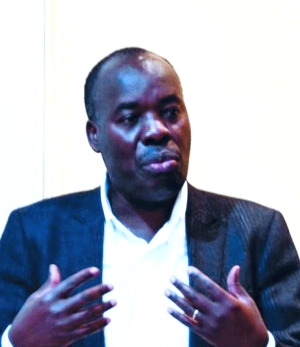
Washington Oloo
Ambassador Washington Oloo is a former senior Kenyan government official and diplomat with extensive experience in international relations, migration governance and regional cooperation. He has represented Kenya in bilateral and multilateral settings and has been closely involved in policy processes related to labour mobility, diaspora engagement and development diplomacy. He contributes practical insights into policymaking, implementation, and international negotiation.
-
![]()
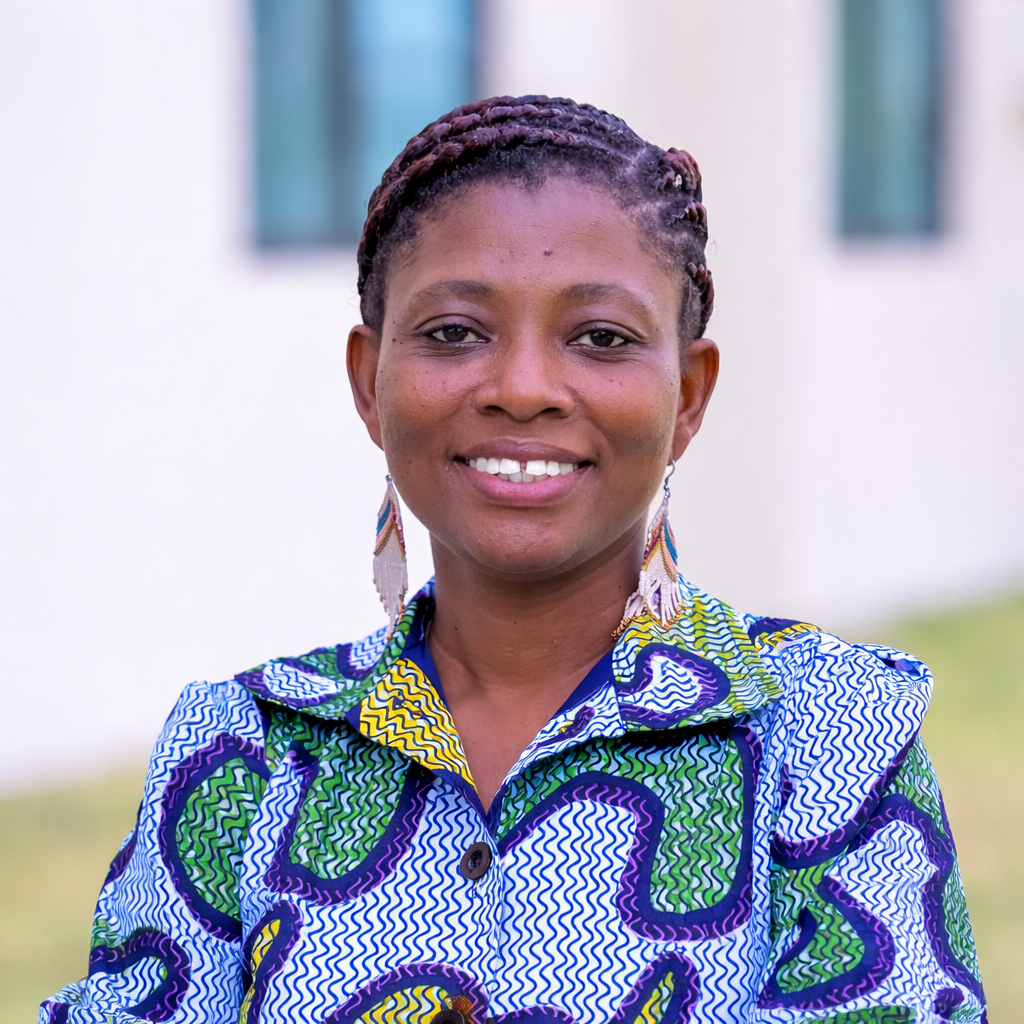
Mary Boatemaa Setrana
Mary Boatemaa Setrana is a Professor and Director of the Centre for Migration Studies at the University of Ghana with extensive experience in migration and development research in West Africa. Her research examines migration decision-making, return migration, remittances and the socio-economic impacts of mobility on households and communities. She also holds multiple advisory positions and her work bridges research, policy and practice, anchoring academic inquiry in real-world challenges and amplifying the voices and experiences of the Global South in shaping migration governance and knowledge production.
-
![]()
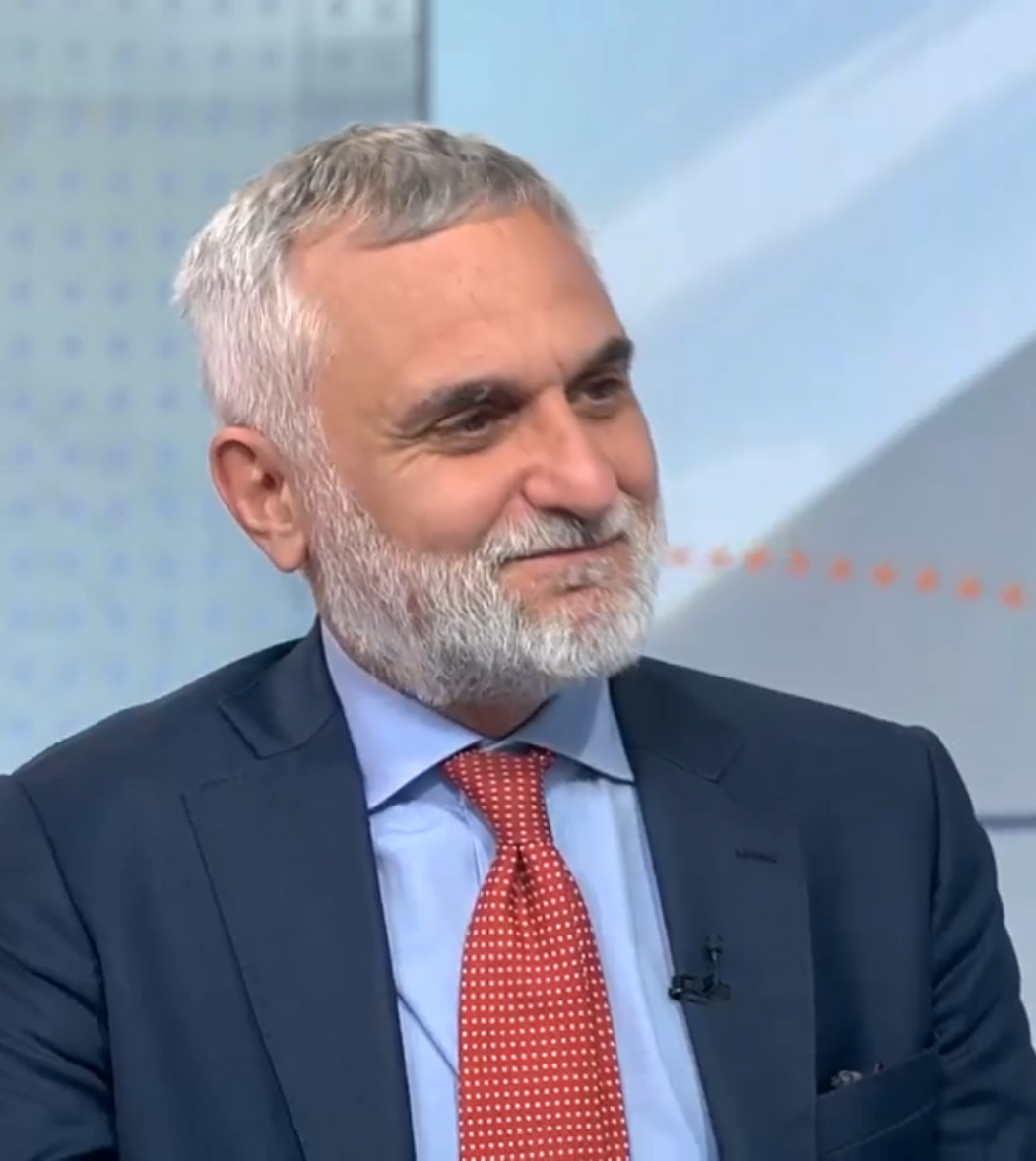
Federico Soda
Federico Soda is a former senior official at IOM, with 25 years of diplomatic and technical experience working with senior government counterparts on migration governance, labour mobility and humanitarian response. He served in multiple senior roles at IOM, including leading the Labour Migration Division at HQ and as senior programmer in the regional office for Asia Pacific. He was IOM Chief of Mission in multiple countries (including Italy, Libya, Malta and Myanmar), before taking up the senior leadership role of the Director of the Department of Humanitarian Response and Recovery in Geneva. He is a qualified lawyer and economist.
-
![]()
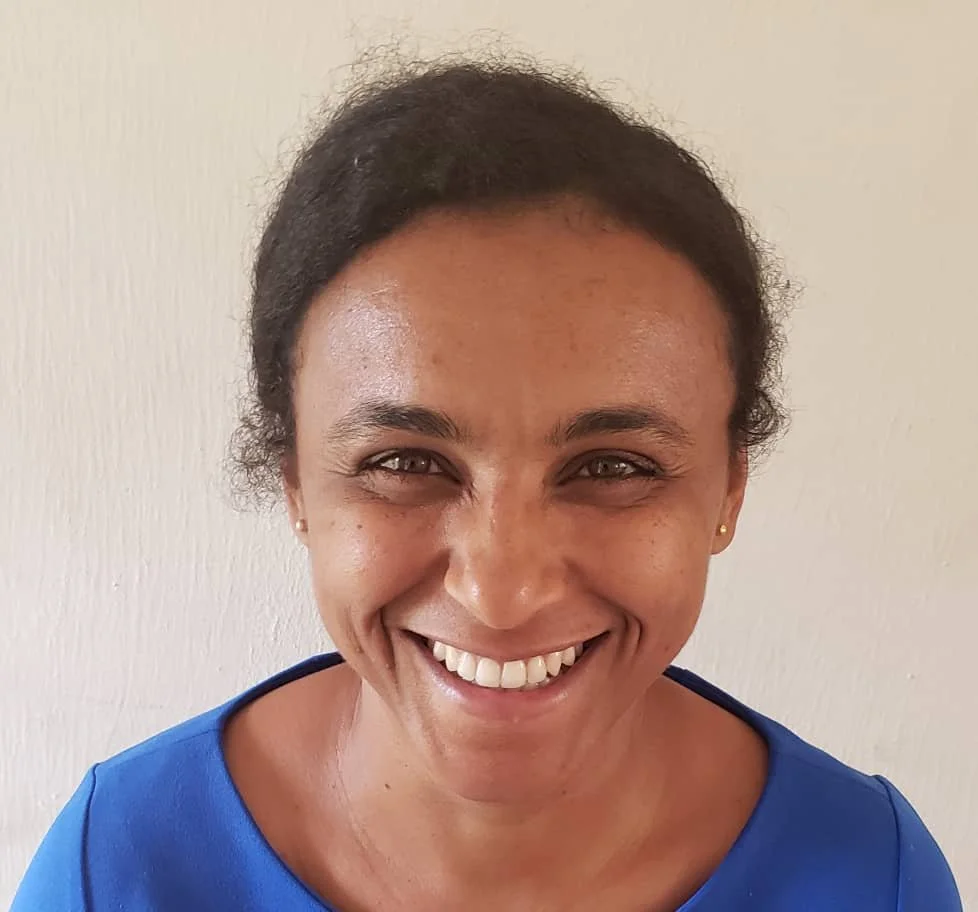
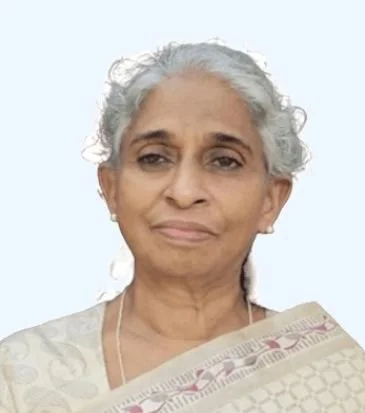
Sheela Thomas
Sheela Thomas is a 1985 batch Indian Administrative Service officer. She was the secretary of NORKA, the principal agency of the Kerala Government in all matters related to migrant welfare and the nodal agency driving the use of evidence in migration policymaking in Kerala. She has over 40 years of experience in policymaking and has served as Director/Secretary/ Principal Secretary/ Additional Chief Secretary across several government departments in Kerala.
-
![]()
Piyasiri Wickramasekara
Piyasiri Wickramasekara is a leading global authority on labour migration with over four decades of experience in migration and development and migrant workers’ rights. He held senior roles at the ILO and contributed to landmark rights-based migration frameworks. He is widely regarded as a leading expert on Bilateral Labour Agreements, having led global and regional reviews, evaluated government-to-government mechanisms, and developed BLA guidelines for IGAD, the African Union and national governments.

Partners
Led by PoliSync Centre for International Policy Engagement, Geneva

In partnership with the African Migration and Development Policy Centre and the International Institute of Migration and Development

Funded under the Research Commissioning Centre (RCC) Evidence-Informed Policy-Making initiative, supported by the UK Foreign, Commonwealth and Development Office (FCDO), awarded through a competitive funding round.
Funding

Contact / collaboration
Interested in evidence-informed migration policy, diaspora engagement, remittances, labour mobility, gender inclusion, or AI-enabled policy analysis? This project welcomes opportunities to connect with researchers, policymakers, and practitioners working across these areas.